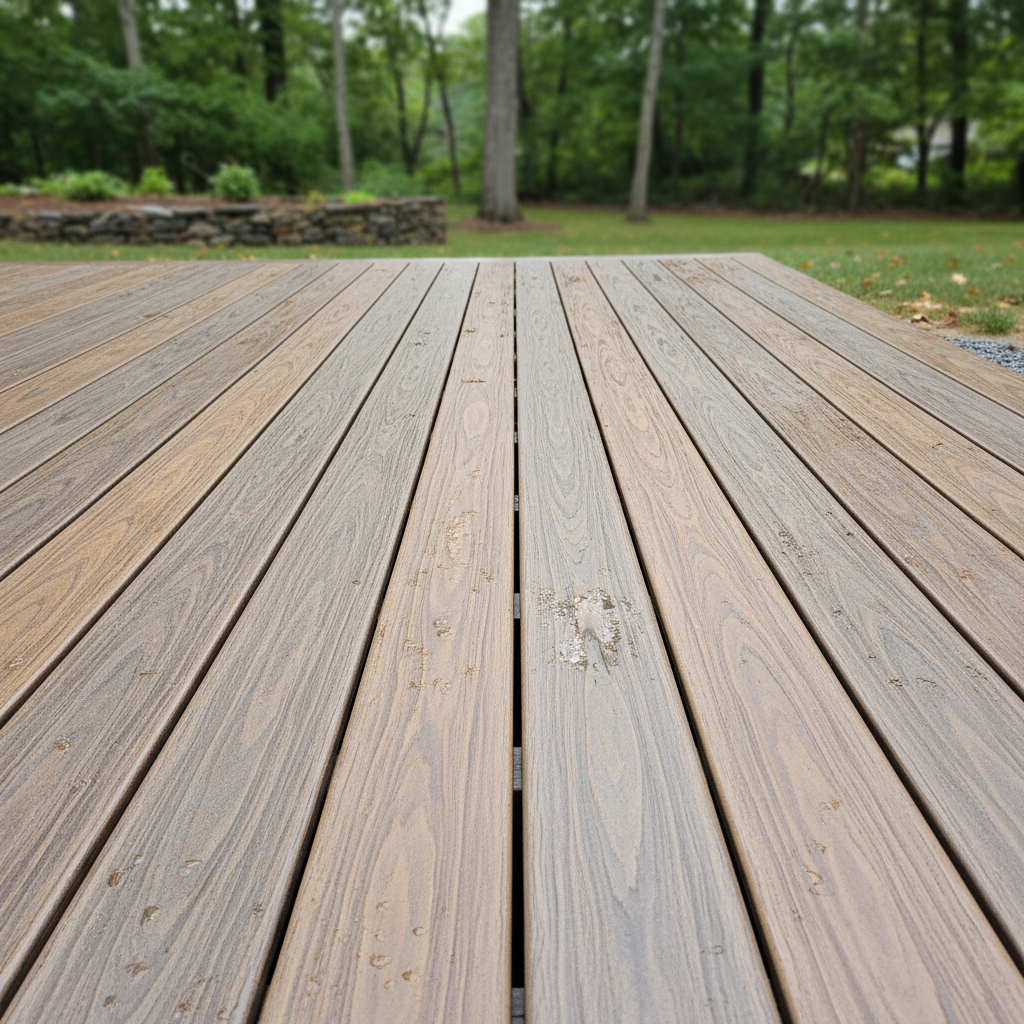
So, you're thinking about a Trex deck, huh? Good choice. Around here in Woonsocket, especially with our crazy freeze-thaw cycles and the dampness that can settle in the older mill village neighborhoods, wood decks can be a real headache. Trex, and other composite decking, really shine when it comes to standing up to our local weather without all the sanding and staining.
I've built my share of decks, both wood and composite, and I can tell you, the appeal of a Trex deck for a homeowner is usually pretty simple: you want something that looks good, lasts a long time, and doesn't demand your entire weekend for upkeep. Let's break down what you need to know if you're considering one.
Before You Start: Planning Your Trex Deck
This is where you do your homework, and it's probably the most critical stage. Don't skip it. First off, what's your vision? How big do you want it? What shape? Think about how you'll use it – grilling, entertaining, just relaxing with a book. That will dictate the size and layout.
- Permits: You'll absolutely need a permit from the City of Woonsocket Building Department for any new deck or significant deck alteration. Don't even think about skipping this. They'll want plans, and they'll want to inspect the work. It's for your safety and to make sure everything's up to code.
- Foundation: This is huge. Trex boards are great, but they need a solid foundation just like any other deck. Here in Rhode Island, we've got frost lines we have to respect. Your footings need to go deep enough to get below that frost line, usually 42 inches around here. Otherwise, your deck will heave and settle. That's a pro job, plain and simple. You're not digging 4-foot post holes by hand unless you're a glutton for punishment, and even then, getting them perfectly aligned and level is tough.
- Design & Materials: Trex offers different lines – from basic to premium. They vary in price, durability, and how they look. Get some samples, see what colors you like, and how they feel underfoot. Think about railing styles too. They've got their own composite railings that match, or you can mix it up with aluminum or even cable rail.
- Budget: Trex isn't cheap upfront, but you're paying for that low maintenance down the road. Factor in the decking, framing materials (often pressure-treated lumber), fasteners, railings, and any extras like lighting or stairs.
During the Build: DIY vs. Pro
Okay, so you've got your plans and permits. Now for the actual construction. This is where you need to be realistic about your skills and time.
What You Can Probably DIY (If You're Handy):
- Demolition: If you're replacing an old deck, tearing it down is usually something a homeowner can handle. Just be careful, wear safety gear, and dispose of the materials properly.
- Decking Installation: Once the frame is built and perfectly level, laying the Trex boards themselves can be a DIY project. You cut them like wood, and many systems use hidden fasteners, which makes for a clean look. It's repetitive work, but not overly complex if you're patient and precise. You'll need a good miter saw, a drill, and a few other basic tools. Just make sure you follow Trex's specific installation guidelines for gapping and fastening – they're particular about that.
- Railing Assembly: Many Trex railing systems are designed for relatively straightforward assembly. It's like a big puzzle, but again, precision is key for a good-looking, safe railing.
When to Call Paradise Deck Inc (or another Pro):
- Framing & Footings: This is the backbone of your deck. If the frame isn't perfectly square, level, and securely anchored to your house, you're going to have problems. Footings, as I mentioned, are critical for stability and longevity. This is where a professional's experience with local codes, soil conditions, and structural integrity really pays off. We've got the specialized tools and the know-how to get it right the first time.
- Complex Designs: If you're dreaming of curves, multiple levels, built-in benches, or intricate stairs, that's definitely pro territory. These elements need advanced carpentry skills and careful planning to ensure they're structurally sound and look good.
- Time Constraints: Building a deck, even a simple one, takes a lot of time. If you don't have weeks of free weekends, hiring a pro means your deck gets done efficiently and correctly.
- Lack of Experience/Tools: If you're not comfortable with power tools or don't own the necessary equipment, trying to tackle a deck build can be frustrating, dangerous, and lead to costly mistakes.
After the Build: Enjoying Your Trex Deck
This is the best part! Once your deck is built, whether you did some of it yourself or had Paradise Deck Inc handle it all, you're ready to enjoy it. Trex is designed for low maintenance, but