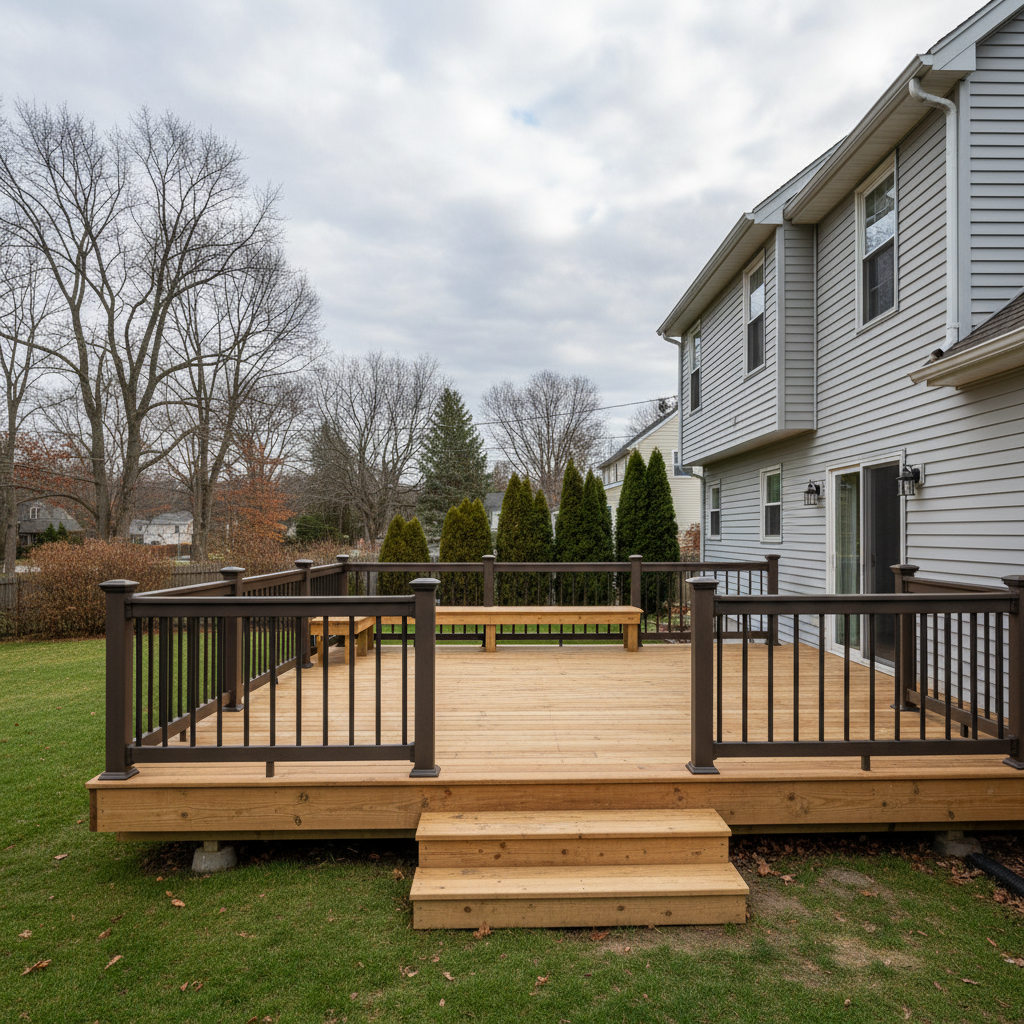
When's the best time to fix up your deck around here? That's a question I get a lot, and honestly, it's not as simple as just picking a sunny day. Our Woonsocket weather, with its wild swings from humid summers to freezing winters, really tells you when you should be thinking about deck repairs and maintenance.
How Our Local Climate Messes With Decks
You know how it goes. One day it's 90 degrees and muggy, the next it's raining sideways, and then suddenly we're hit with a Nor'easter. That kind of constant change is just brutal on decks. Wood expands and contracts, fasteners loosen up, and finishes break down way faster than they would in more stable climates. Those freeze-thaw cycles we experience, especially in places like Fairmount where homes might be a bit older and decks have seen more seasons, are particularly rough on foundations and footings.
Moisture is the real villain here. We get plenty of it, whether it's summer humidity, fall rains, or winter snow. If your deck isn't properly sealed or has bad drainage, that moisture can lead to rot, mold, and structural issues pretty fast. That's why keeping an eye on things year-round is crucial, but some times are definitely better for specific types of work, don't you think?
When to Get Those Deck Repairs Done
Generally, I tell folks the sweet spot for bigger deck repairs, like replacing a bunch of boards or fixing structural problems, is late spring or early fall. Here's why:
- Late Spring (May-June): The ground has usually thawed out completely by then, and we're past the worst of the spring rains. Temperatures are mild, which is perfect for working outside and for things like stain or paint to cure right. The wood isn't soaking wet from winter either, so it's easier to really see its true condition.
- Early Fall (September-October): This is another prime window. The summer humidity has dropped off, and we're usually still getting plenty of dry, moderate days. It's cool enough to work comfortably, and you've got time for any finishes to dry and set before the really cold weather and heavy snows arrive.
What you really want to avoid is trying to do major work in the dead of winter or the peak of summer. In winter, it's too cold for most sealants and paints to cure, and frozen ground makes foundation work a total nightmare. In summer, the intense heat and humidity can make staining a real challenge, often leading to uneven drying or bubbles.
Weather Conditions That Really Affect the Job
Beyond just the season, specific weather conditions play a huge role. I'm always checking the forecast before starting a job, always. Here are a few things that can make or break a repair:
- Rain: Obvious, right? You can't stain a wet deck. But even for structural work, rain can make things slippery and unsafe. Plus, new wood needs to be dry before it gets sealed.
- Humidity: High humidity can really slow down drying times for stains and paints, sometimes leaving you with a tacky finish that never quite hardens. Low humidity is what we aim for.
- Temperature: Most deck products have a recommended temperature range for application, usually somewhere between 50-85°F. Go too far outside that, and you're risking poor adhesion or curing.
- Wind: A windy day can blow dust and debris right onto your freshly stained deck, or make painting a real pain. It can also dry out finishes too quickly, causing unevenness.
So, if you're planning a DIY project, keep a close eye on these factors. If you're hiring someone like us at Paradise Deck Inc, you can bet we're already factoring all this into our scheduling.
Protecting Your Deck All Year Round
Even when you're not actively repairing, you should be protecting your investment. A little proactive care goes a long way in preventing big problems down the line.
- Regular Cleaning: Keep leaves, dirt, and debris off your deck. These can trap moisture and lead to rot, which nobody wants. A good sweep and a gentle wash with a deck cleaner once or twice a year can make a huge difference.
- Check Drainage: Make sure water isn't pooling on your deck or around its supports. Clear out nearby gutters and ensure downspouts are directing water away from the deck's foundation.
- Inspect Annually: Take a walk around your deck every spring and fall. Look for loose boards, popped nails, splinters, or any signs of rot. Catching these early can save you from a much more extensive repair later. Pay close attention to the ledger board where the deck attaches to your house – that's a really critical spot.
- Reapply Sealant/Stain: Depending on the product, you'll need to reapply a protective finish every 1-3 years. This is your deck's first line of defense against our harsh weather.
Don't wait until a small issue becomes a safety hazard or a huge expense. Being smart about when and how you maintain your deck in Woonsocket will keep it looking good and lasting longer. If you've got questions or need a hand, you know who to call.